Last year the UK mobile app market hit £4.2 billion in revenue, a 12 % jump over 2022. That surge isn’t just about new games; it’s changing where people spend time, how they share moments, and what they expect from a “fun” experience. If you’ve noticed friends dropping their phones in the middle of a movie or scrolling through a game during a commute, you’re witnessing a shift that’s already reshaping the country’s cultural habits.
Instant Accessibility: From Arcades to Arm‑Sized Screens
Arcade cabinets once dominated leisure spaces, but now a 5 inch screen can deliver the same adrenaline. A single tap can launch a multiplayer battle or a puzzle challenge that would have required a console or PC. For example, Clash Royale boasts over 10 million UK downloads, while its in‑app purchases average £4.50 per user per month. That’s a fraction of the cost of a full console bundle, yet it offers the same competitive edge. The result is a democratized playground where anyone can join a global community without leaving their kitchen.
Social Integration: Games as Conversation Starters
Modern mobile titles embed social feeds, chat rooms, and shareable achievements directly into the gameplay loop. A 2023 survey found that 68 % of UK players use in‑game friends lists to coordinate sessions, and 45 % say they’ve made a new friend through a game’s Discord channel. These connections spill over into real life: a friend’s birthday is celebrated with a custom avatar, or a weekend outing is planned because someone beat a record. The ripple effect extends beyond the app, influencing music playlists, streaming schedules, and even local meet‑ups.
Monetization Models: Micro‑transactions vs. Subscription
Traditional retail games still rely on upfront purchases, but mobile titles often use micro‑transactions or freemium tiers. A typical free-to-play game in the UK averages £0.95 per day in micro‑transaction revenue per user. Meanwhile, subscription services like Apple Arcade or Google Play Pass offer a fixed monthly fee—usually £3.99—granting access to a curated library. For families, this model can be cheaper than buying multiple titles, but it also means developers must keep content fresh to retain subscribers.
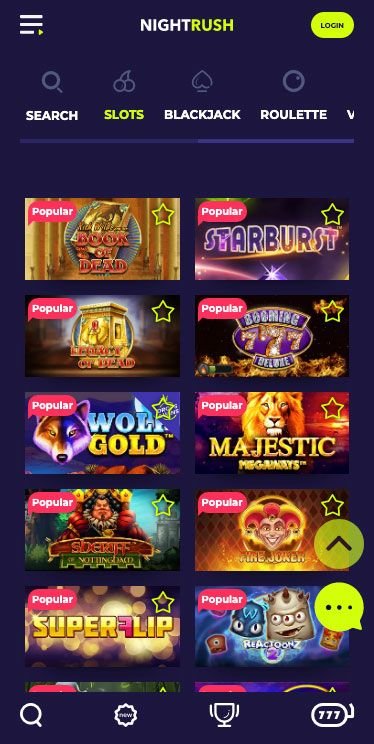
Mobile Gaming and the Rise of Casual Content
Casual games such as Candy Crush Saga or Among Us attract players who might not identify as “gamers.” In 2022, 37 % of UK adults admitted to playing a casual title during a break at work. These games often feature short, repeatable sessions that fit into a coffee break or a commute. The result is a new segment of the entertainment market that overlaps with productivity tools, turning downtime into a quick, engaging distraction.
From Pixels to Physical: Augmented Reality Experiences
Augmented Reality (AR) has moved beyond gimmickry. The UK’s Pokémon GO community grew to 1.2 million active players by 2023, generating an estimated £120 million in in‑app spending that year. AR games encourage outdoor activity, bringing players into parks, museums, and historical sites. Museums have even partnered with developers to create AR tours, turning a static exhibit into an interactive narrative. This blend of digital and physical realms is redefining how we experience culture.
Beyond the screen, mobile gaming intersects with other forms of entertainment. Whether it’s watching a live esports stream or attending a virtual concert, the line between gaming and broader leisure is blurring. For those who enjoy the thrill of competition and the convenience of on‑the‑go access, casino entertainment offers a different flavor of excitement that complements the mobile experience.
Economic Impact: Jobs, Revenue, and Innovation
The UK’s mobile game sector employed over 8,000 people in 2023, a 9 % increase from the previous year. Revenue from in‑app purchases alone reached £1.1 billion, outpacing traditional console sales. Startups are experimenting with blockchain, cloud gaming, and AI‑generated content, pushing the envelope of what’s possible on a phone. These innovations not only create jobs but also inspire cross‑industry collaborations, from fashion to education.
Which Direction Should You Follow?
If you’re a casual player looking for quick, low‑cost fun, the freemium model offers plenty of options. For those who want depth and a steady stream of new content, a subscription service or a premium title might be worth the monthly fee. And if you’re a developer, the data shows that social features, micro‑transactions, and AR are the biggest growth drivers. In any case, mobile gaming has already reshaped how UK audiences consume entertainment—making it more immediate, social, and accessible than ever before.
Frequently Asked Questions
Why is the UK mobile app market growing so fast?
The rise in mobile app revenue reflects increased smartphone penetration, better network speeds, and the popularity of on‑the‑go entertainment options.
How are people shifting from traditional cinema to mobile?
Many now prefer streaming or gaming on phones because it offers instant access, convenience, and personalized content tailored to individual tastes.
What does this mean for the future of movie theatres?
Theatres may need to innovate, focusing on premium experiences, hybrid offerings, and integrating mobile technologies to stay relevant.